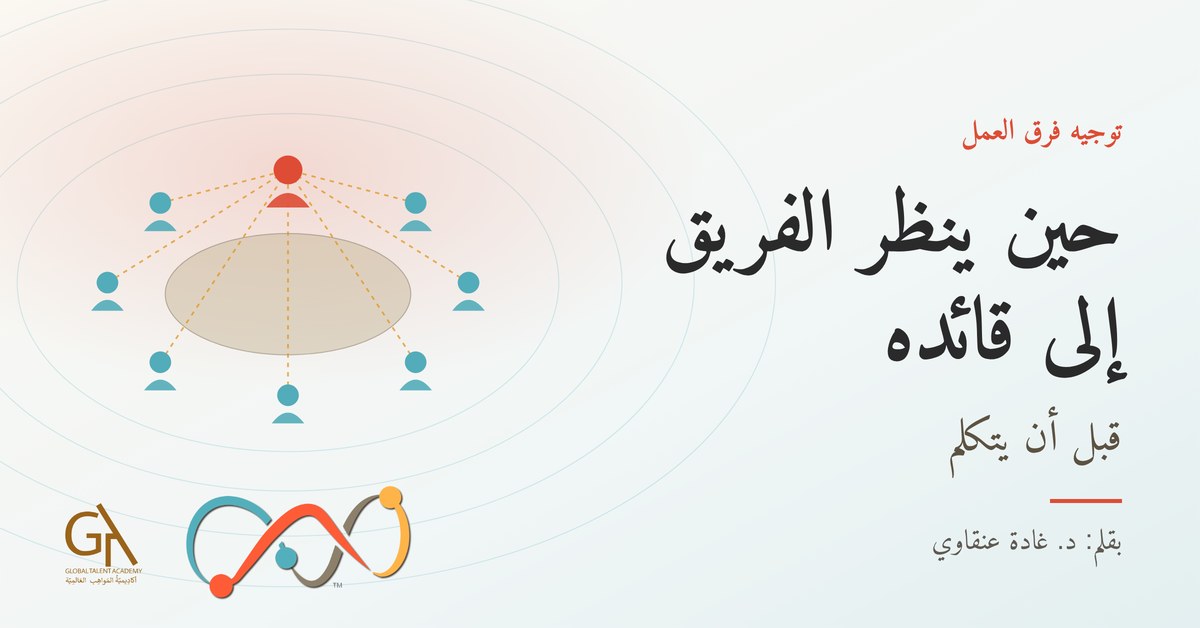

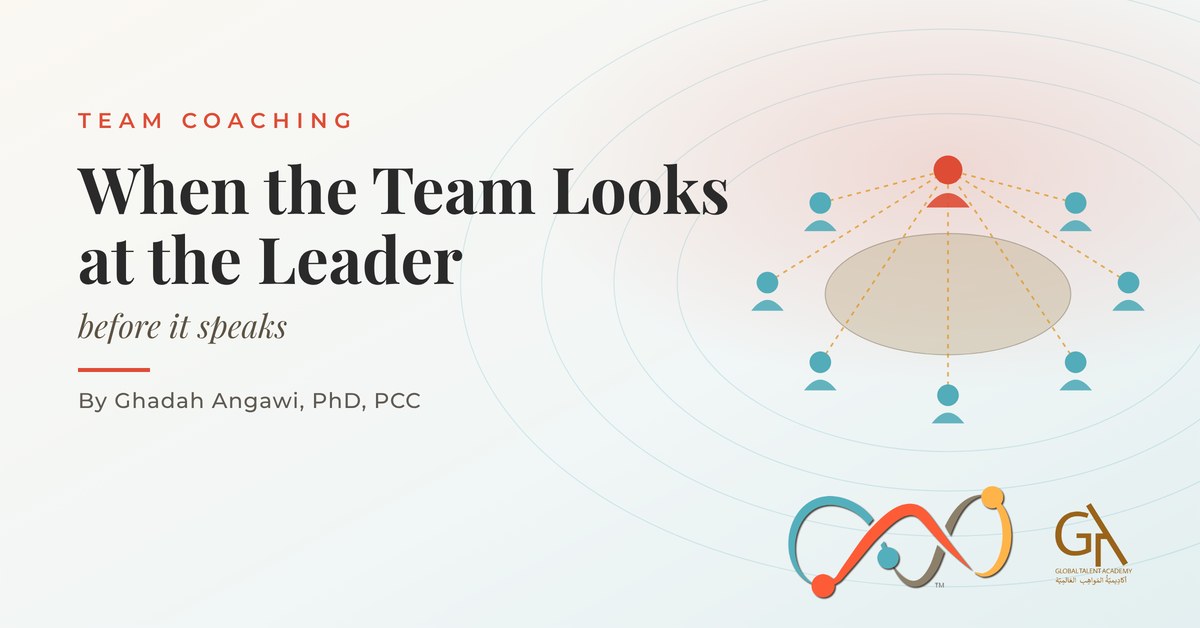
In many Gulf and Arab teams I work with, a pattern appears early: a question goes to the team, and every eye turns to the most senior person before anyone answers.
It is tempting to read this as a lack of engagement. More often it is respect. Here, silence can mean “I am waiting for permission,” not “I agree.”
What has helped:
- Contract with the leader first about their role in the room: when they speak, when they hold back, and how they invite dissent.
- Draw on a familiar tradition. The majlis and shura (consultation) already value hearing every voice before deciding. Framing team coaching as shura makes speaking up culturally safe.
- Use indirect and visual routes. Silent writing, sticky notes, drawings or objects let the team surface what no one would say first.
- Protect collective face. Name patterns as “ours”, not as one person’s mistake.
How do you work with hierarchy in teams where deference is a deep value? What have you adapted?
Explore the Neocharismatic Team Coaching Program (NTCP), our ICF-accredited team coaching program.
Dr. Ghadah Angawi, PhD, PCC, ACTC, CCS, EIA, ESIA